
When you unpack downloaded archive from ThemeForest.net you'll get folder containing 2 folders.
Django is a Python web framework, thus requiring Python to be installed on your machine.
To install Python on your machine , follow the link https://python.org/download/, and download a Windows MSI installer for Python or you can download from microsoft store. Once downloaded, run the MSI installer and follow the on-screen instructions.
Once the installation is complete, open the command prompt and check the Python version by executing this command
You can check it in your terminal window using these commands.
python --version
Now we have everything we need to install in Django. We can easily install Django by running this command in the command prompt.
You can check it in your terminal window using these commands.
pip install Django
Navigate to the root main/directory,default
Then use py -m venv env / env\Scripts\activate command (for activate env is optional)
Then use py -m pip install -r requirements.txt command (install requirement.txt file)
Python/Python3 manage.py runserver command (for run project)
Click on this link with press ctrl button http://127.0.0.1:8000/ command (for start project)
Update your system by executing the below given command in your terminal.
You can check it in your terminal window using these commands.
sudo apt-get update
Although you already have python installed in your system, as it is included while installing any linux based os, but if it is not included run the following command to install python.
You can check it in your terminal window using these commands.
sudo apt-get install python3
Check the version of python through this command.
python3 -v
Pip is included with the python versions above 3.4. So if you have installed python version which is above 3.4 then you can skip this step
Run this command in the terminal to install pip.
sudo apt-get install python3-pip
Now we are all set to install Django in our system. Run this command in the terminal.
pip install Django.
Navigate to the root main/directory,default
Then use source env/bin/activate command (for activate env)
Then use pip/pip3 install -r requirements.txt command (install requirement.txt file)
Python/Python3 manage.py runserver command (for run project)
Click on this link with press ctrl button http://127.0.0.1:8000/ command (for start project)
In Voxo theme, google fonts have been used. google fonts are open source and easy to use. Voxo have used following fonts:
You can use different google fonts. following are the steps
In Voxo theme, we have used 6 colors or 6 styles. following are the colors:
from above you need to choose any color and set that css to your html pages in your head(see below) and delete or remove othere files.
                            <!-- Theme css -->
                            <link id="change-link" rel="stylesheet" type="text/css" href=../assets/css/demo2.css">
every style has different dark style which you need to change so for example you are using style.css, has dark.css with it, if you are using demo1.css it has demo1_dark.css so remove other style/dark.css.
Voxo have mainly used FontAwesome Icons. FontAwesome icons available in FontAwesome.com/icons, other icons are available
in assets/images/icon
how to use FontAwesome font
for example:
<i class="fas
                                fa-camera"></i>
                        <!-- this icon's 1) style prefix == fas and 2) icon name == camera
                            -->

                        <i class="fas
                                fa-camera"></i>
                        <!-- using an <i> element to reference the icon -->

                        <span class="fas
                                fa-camera"></span>
                        <!-- using a <span> element to reference the icon
                            -->
how to use Feather Icon
for example:
<i data-feather="circle"></i>
how to use Theme Icon
If you want RTl theme, changes are below:
                        <!-- Add direction rtl in html tag -->
<html lang="en" dir="rtl"
<link id="rtl-link" rel="stylesheet" type="text/css" href="assets/css/vendors/bootstrap.rtl.css">
If you want Dark theme, changes are below:
                        <!-- Replace style.css with demo1_dark.css -->
<link id="change-link" rel="stylesheet" type="text/css" href="../assets/css/demo1_dark.css">
                        <!-- add class dark in html tag -->
<body class="dark">
We need a mechanism to change the data in the database now that we have built the tables there. Although the admin panel in Django makes this task easier, it can also be done using the terminal.
You must first create an admin account via the terminal in order to access the Django Admin in the Django theme.
For instructions on how to create an admin account, see below.
Open the python terminal by typing python3 (if you are a linux user) or
python (if you are a windows user) in the terminal and pressing enter. Make sure that you have
navigated to the Voxo-django folder.
For creating superuser(admin),first reach the same directory as that of manage.py and run the following command:
python3 manage.py createsuperuserUsername: adminEmail address: example@gmail.comPassword: ****** Password(again): ****** Now we can login into our Django Admin page by running the command python manage.py runserver . Then, open a Web browser and go to “/ admin/” on your local domain e.g., http://127.0.0.1:5000/admin/ and then enter the same Username and Password.
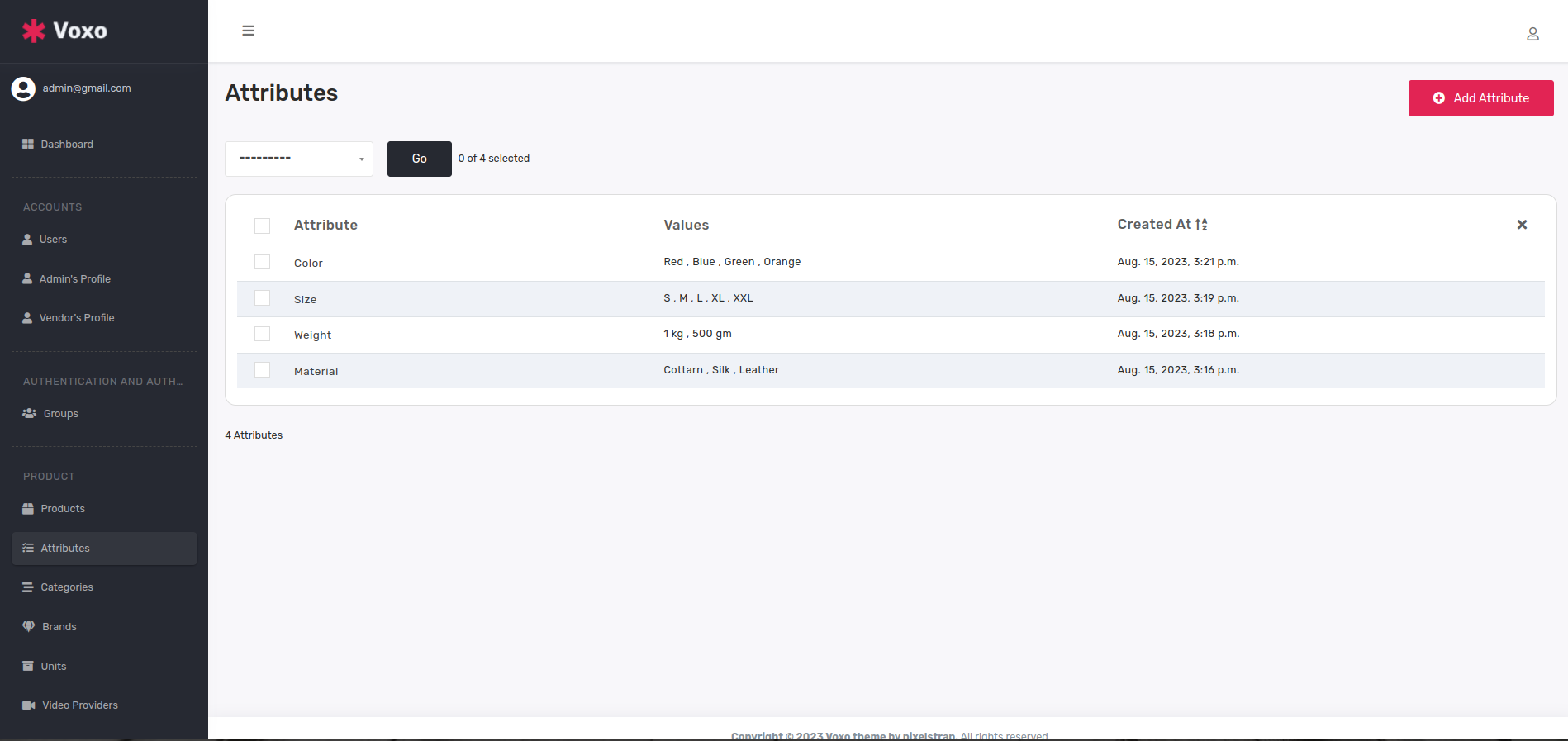
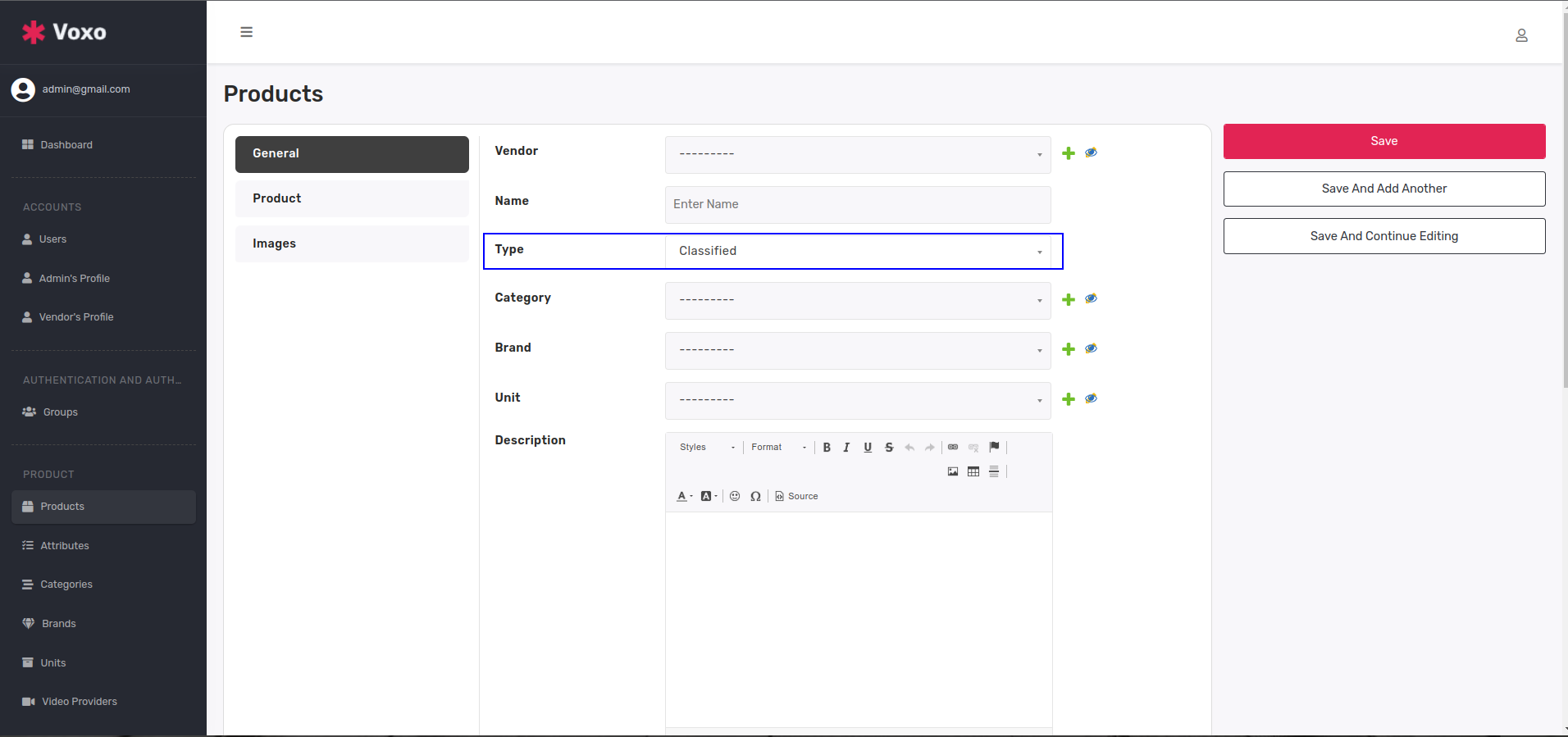
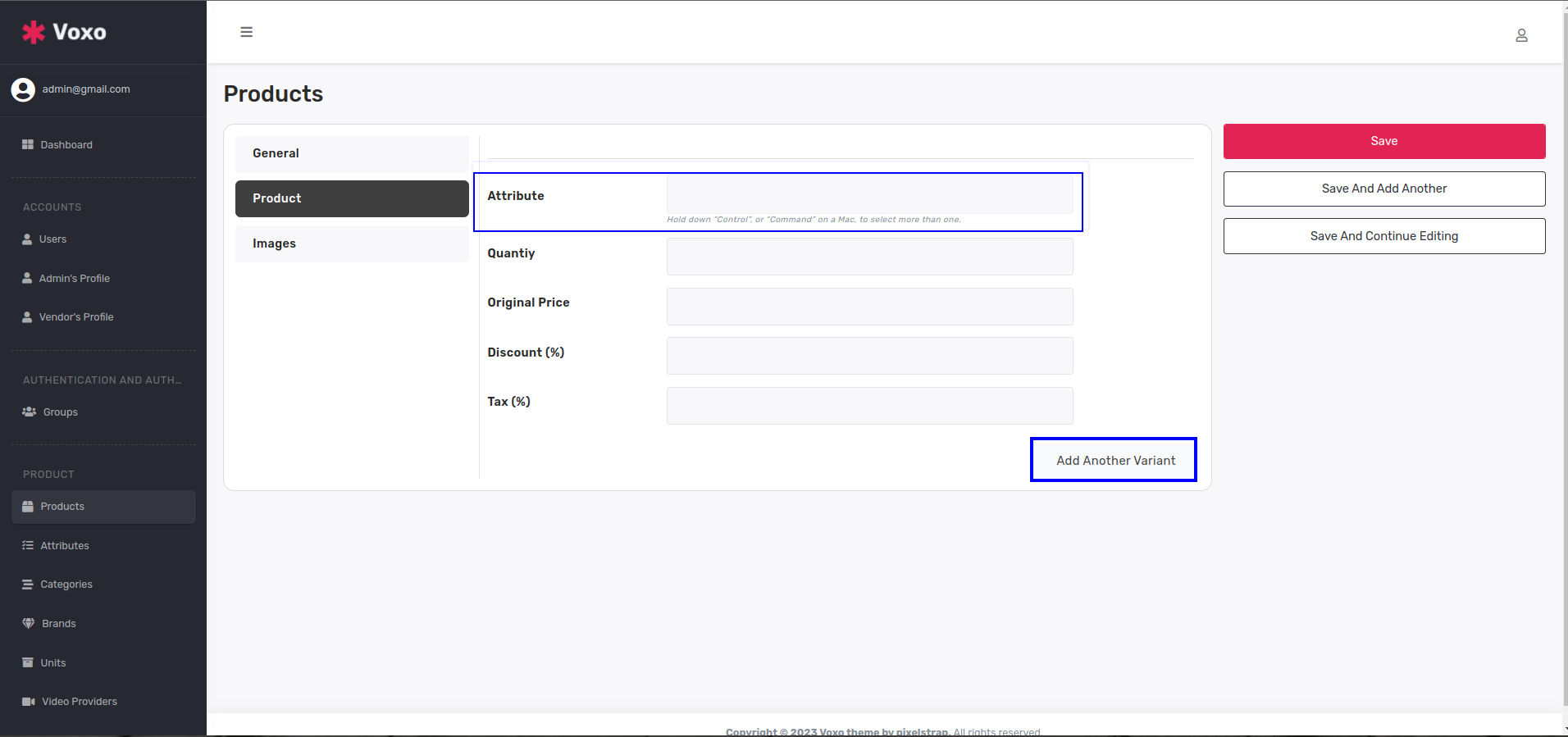
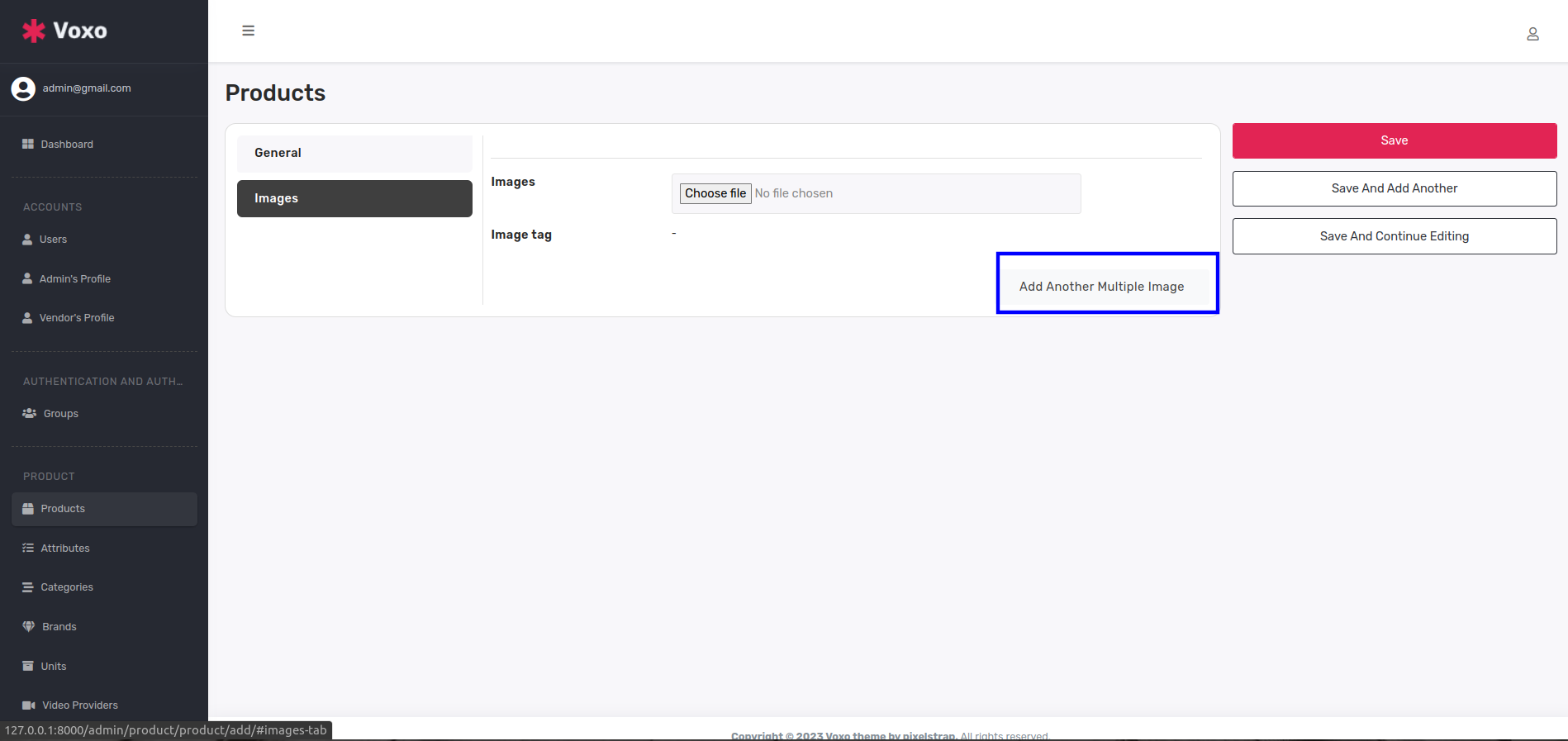
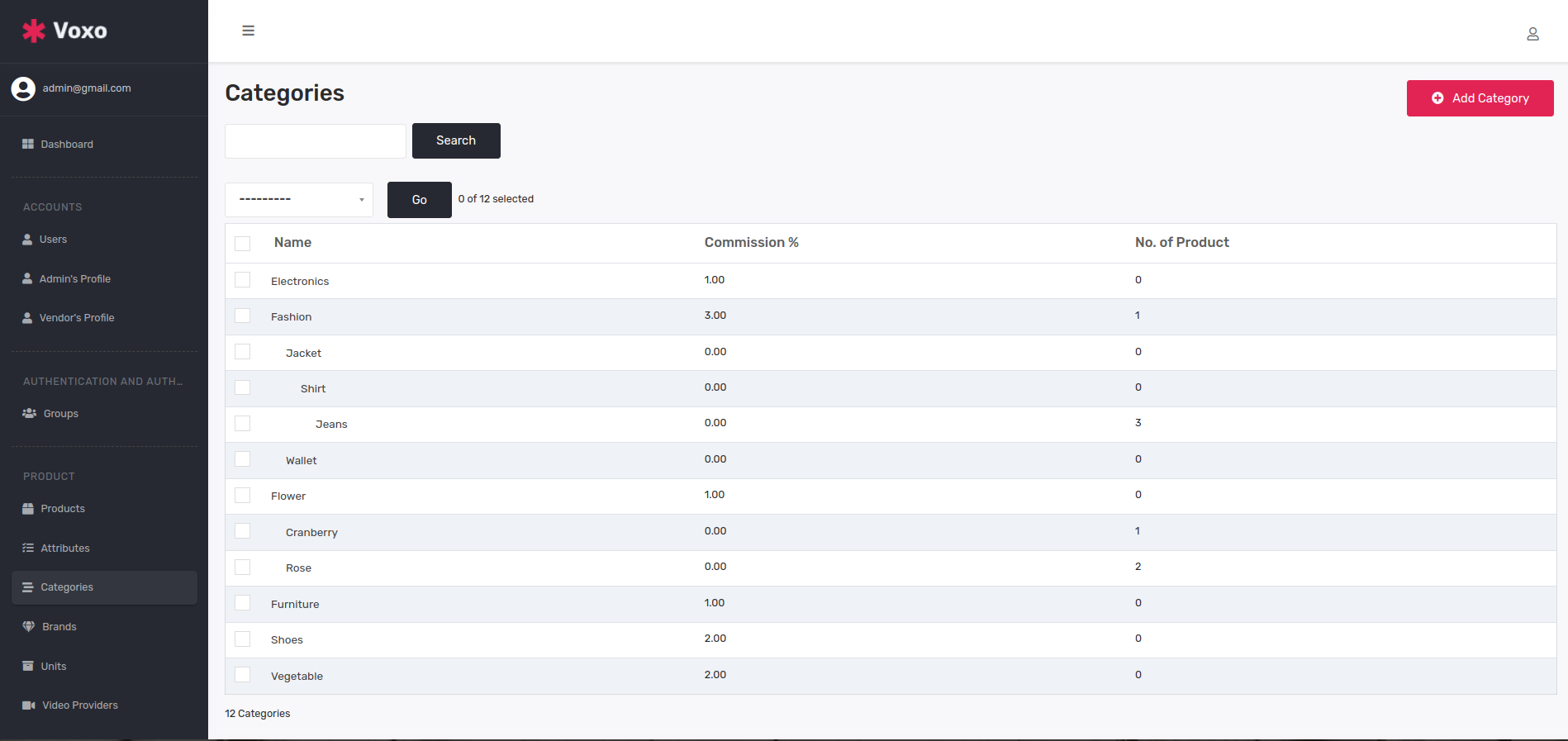
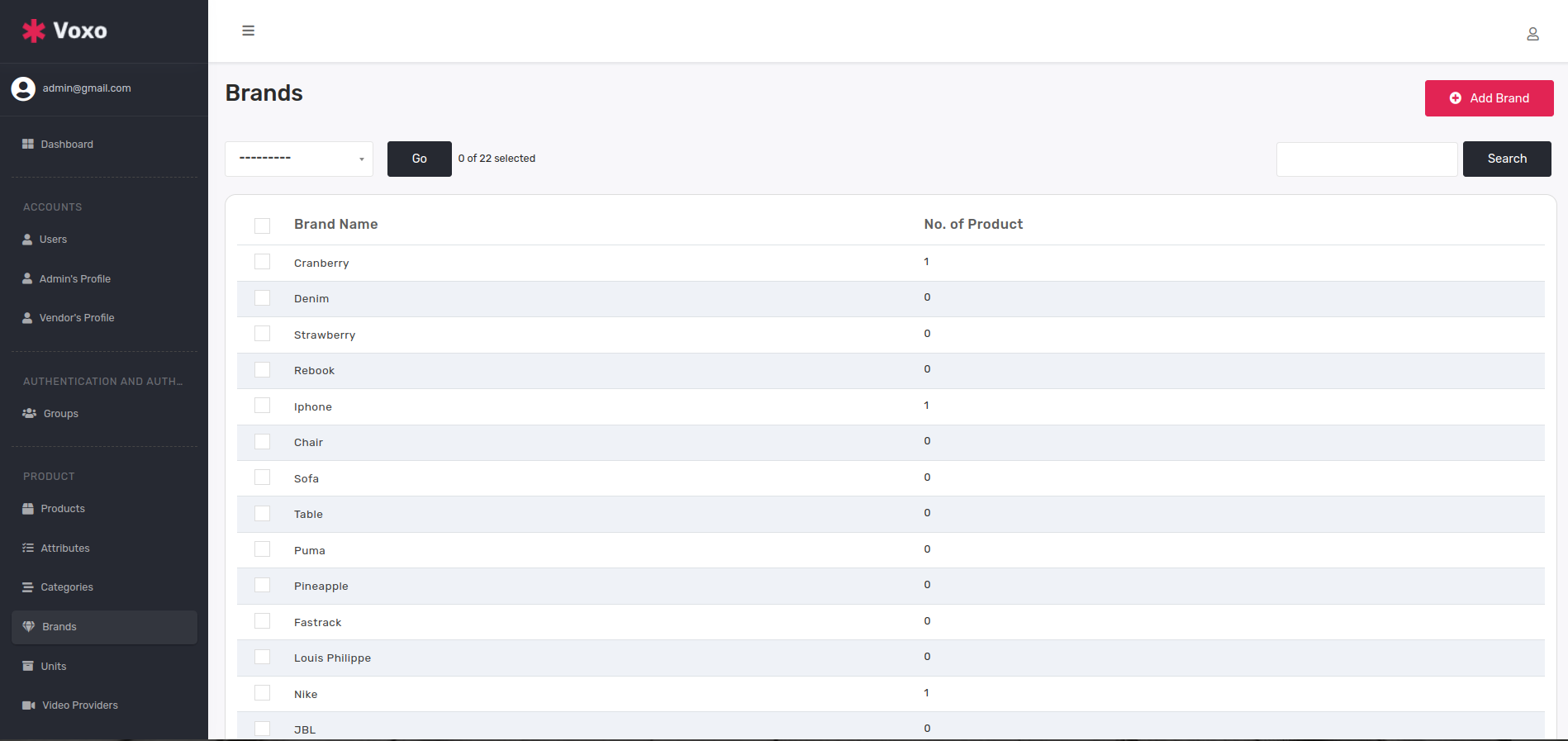
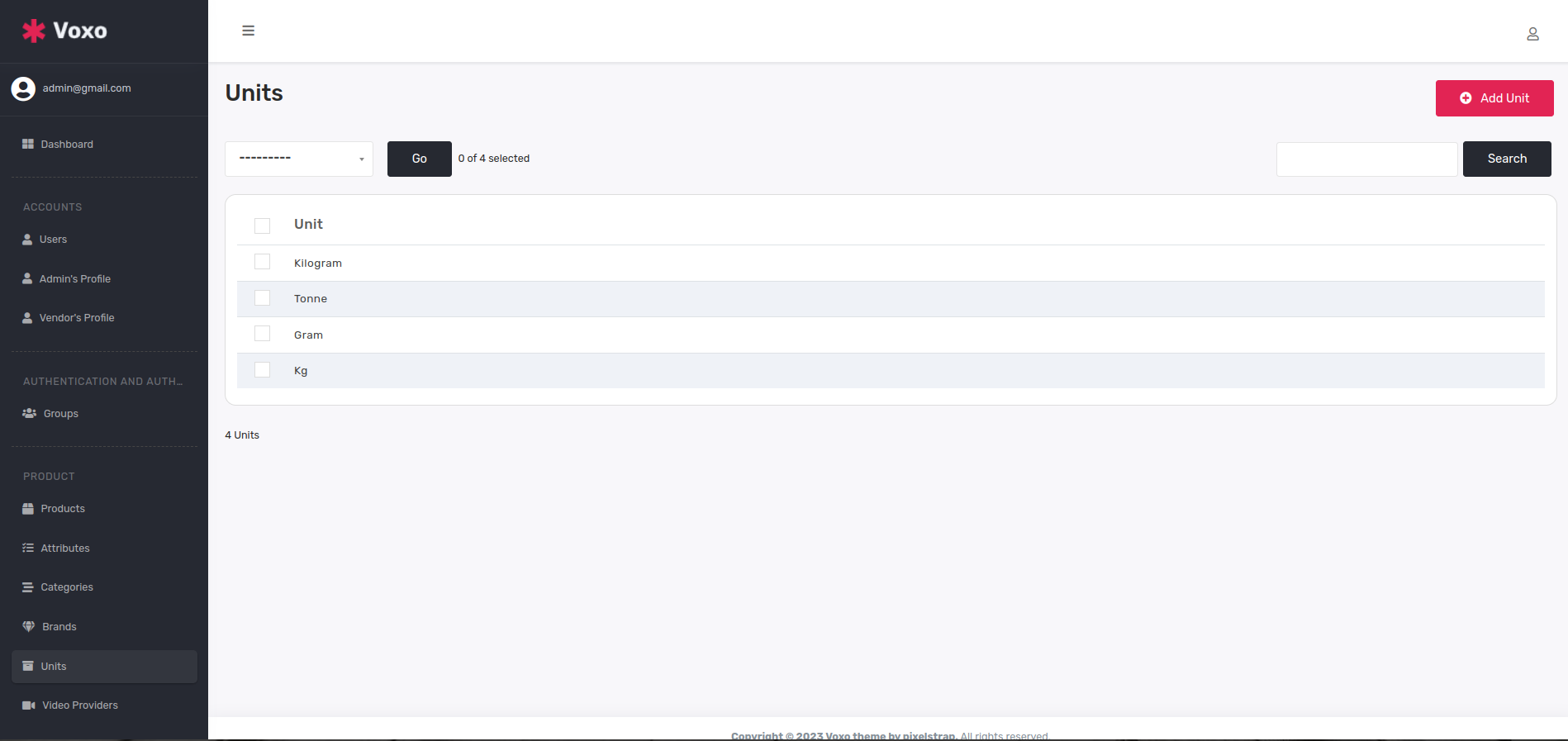
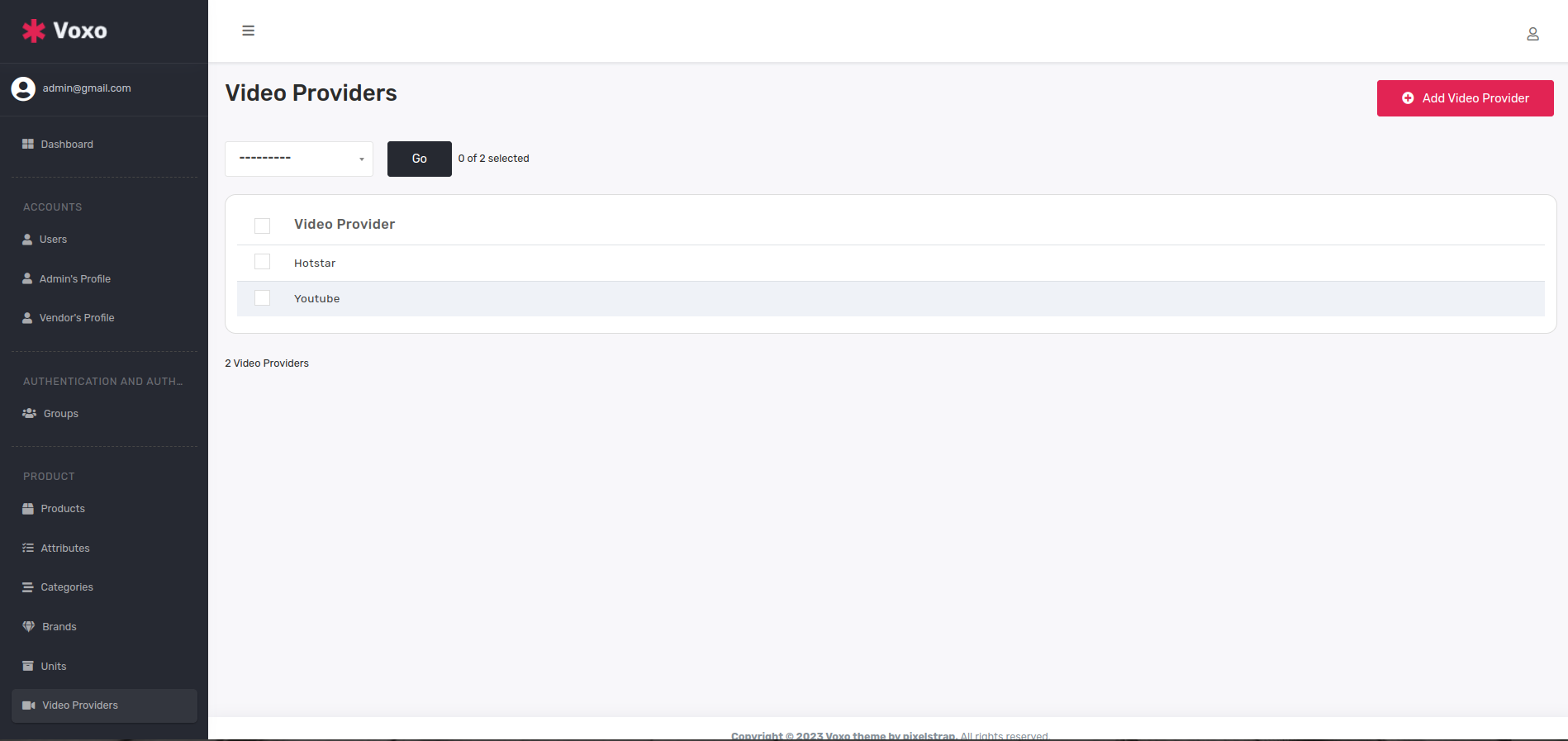
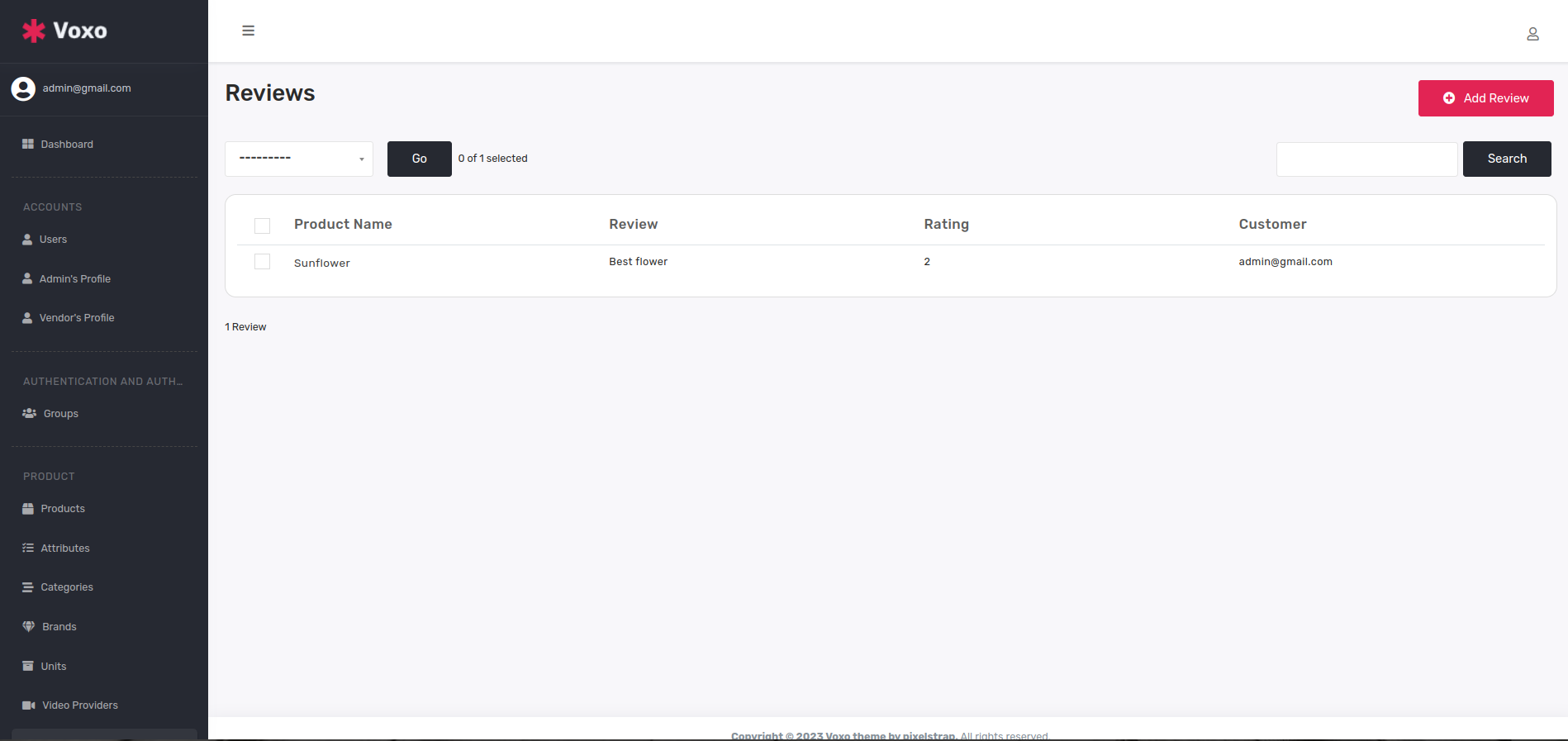
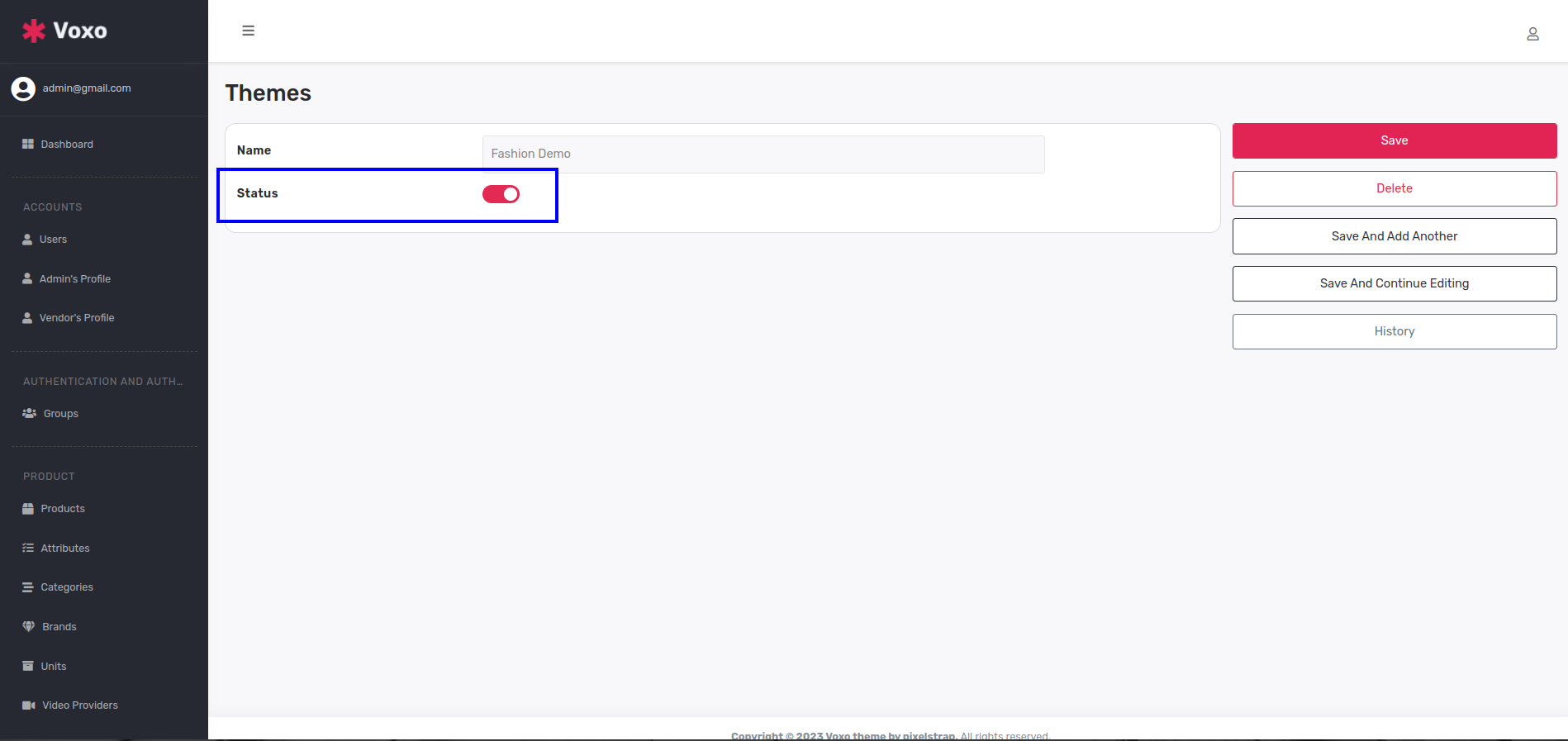
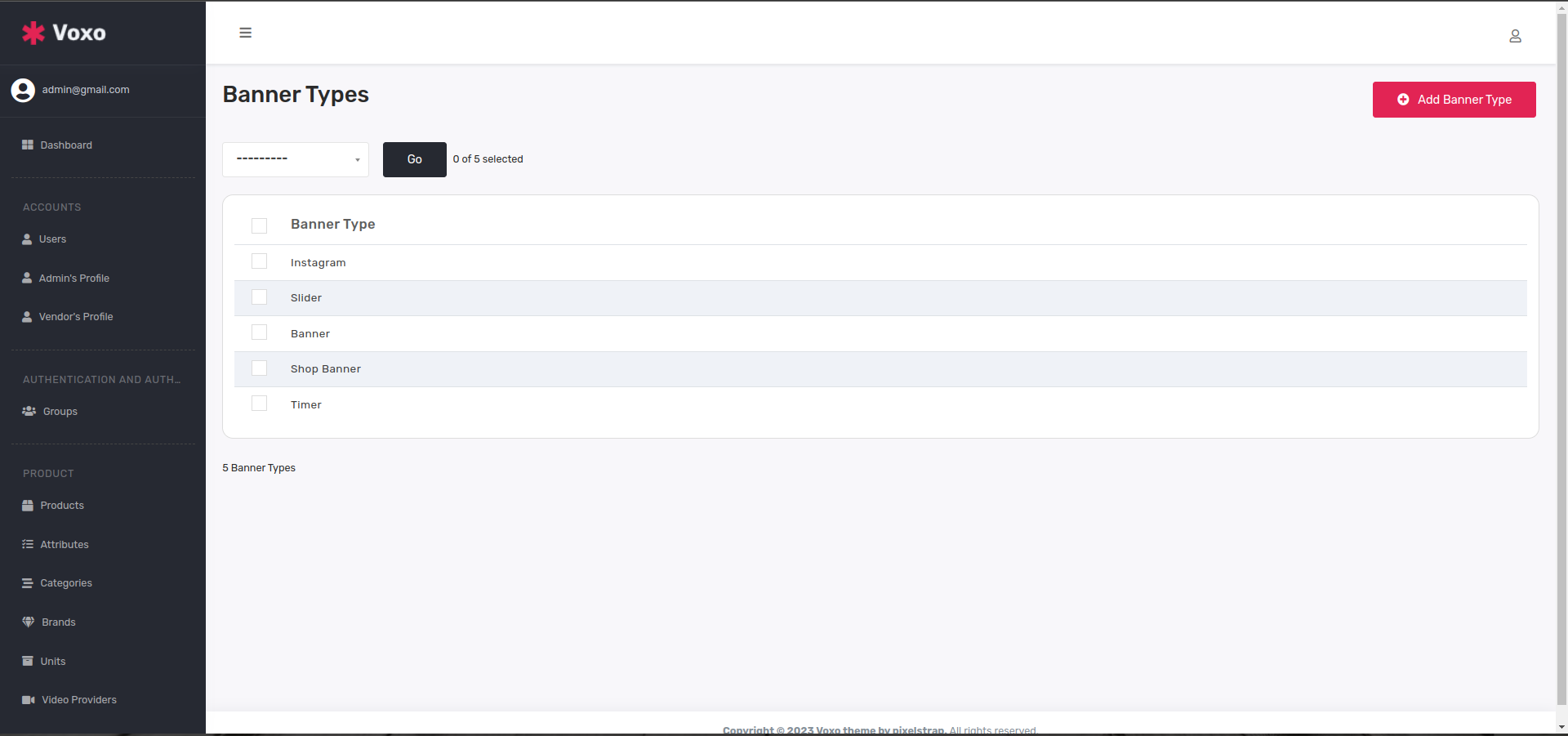
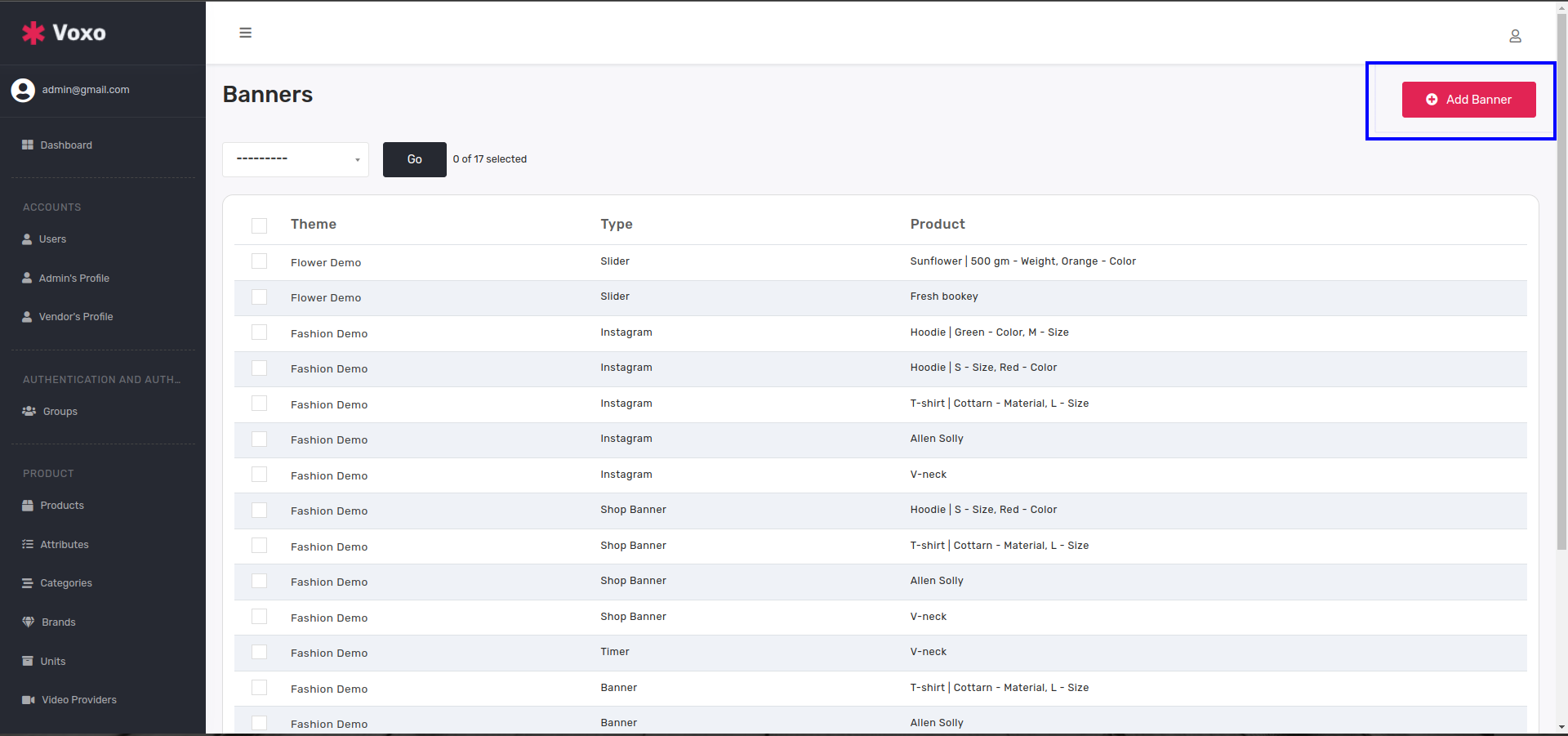
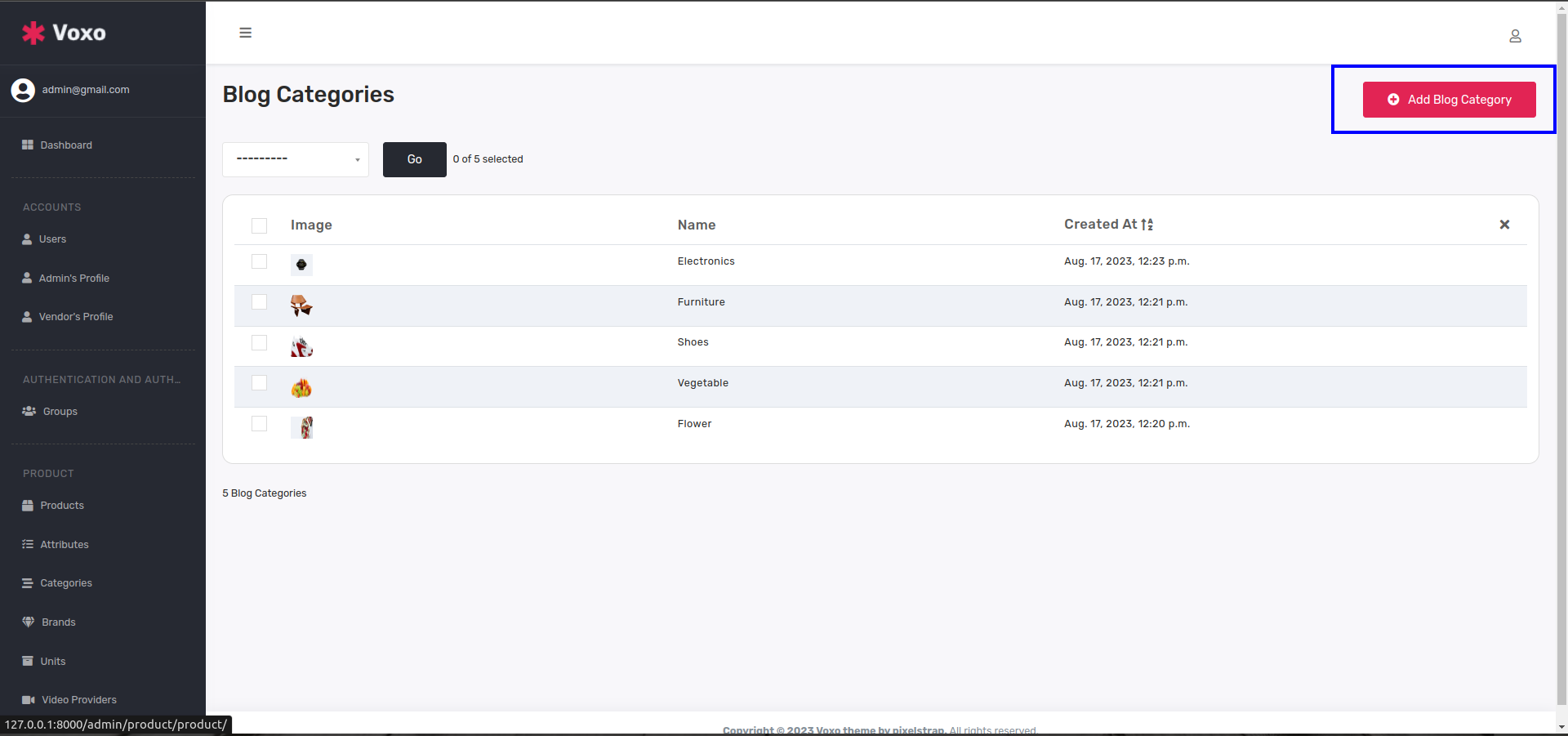
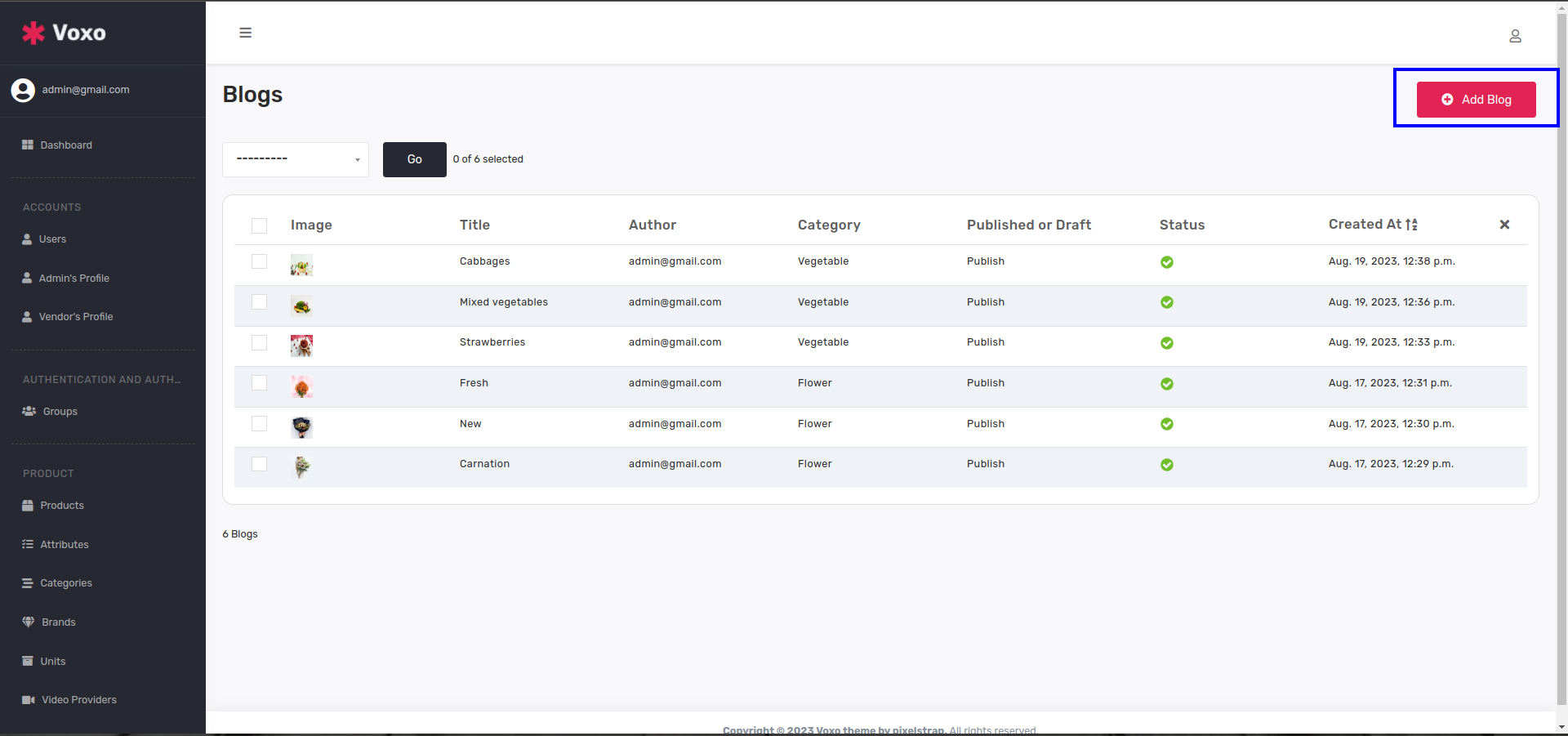
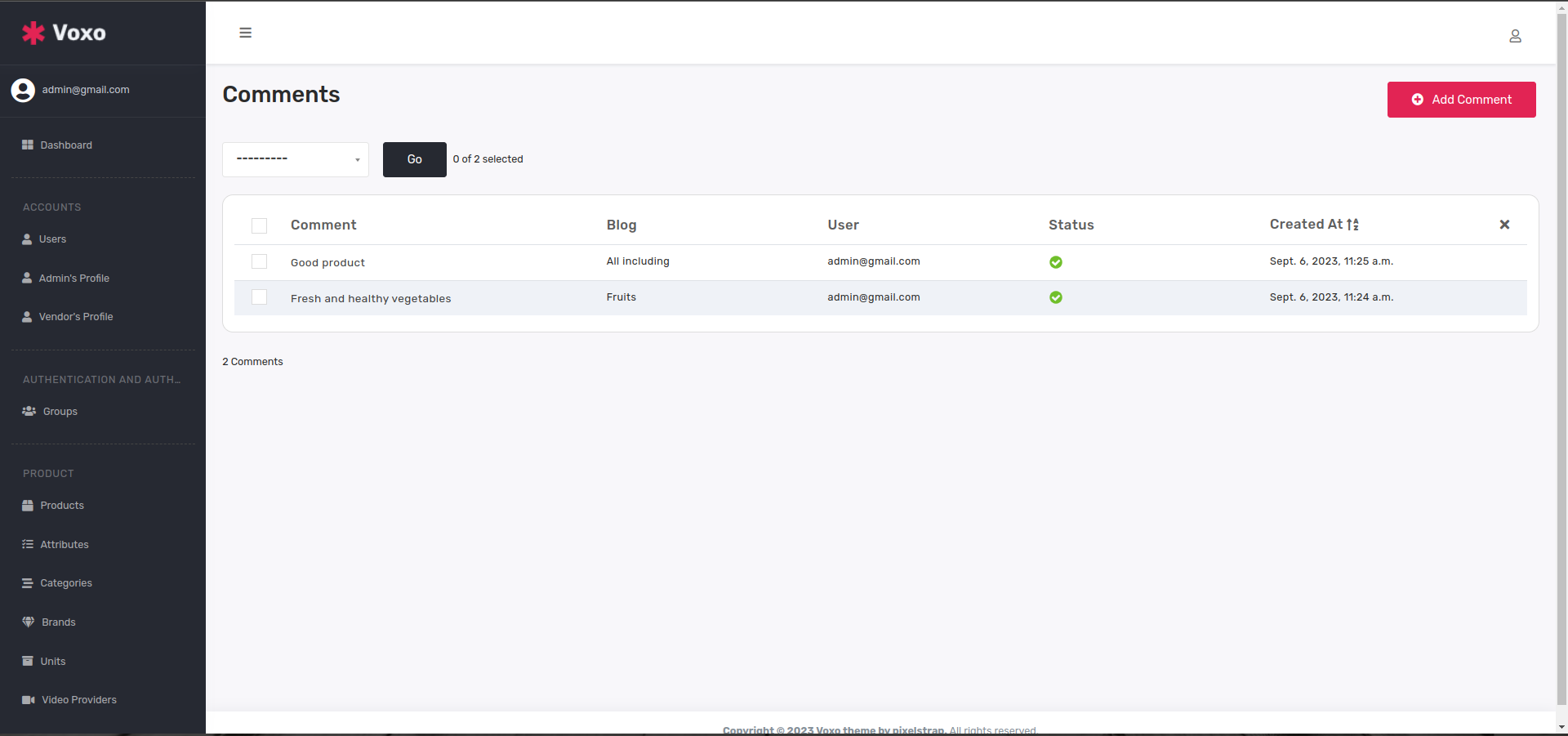
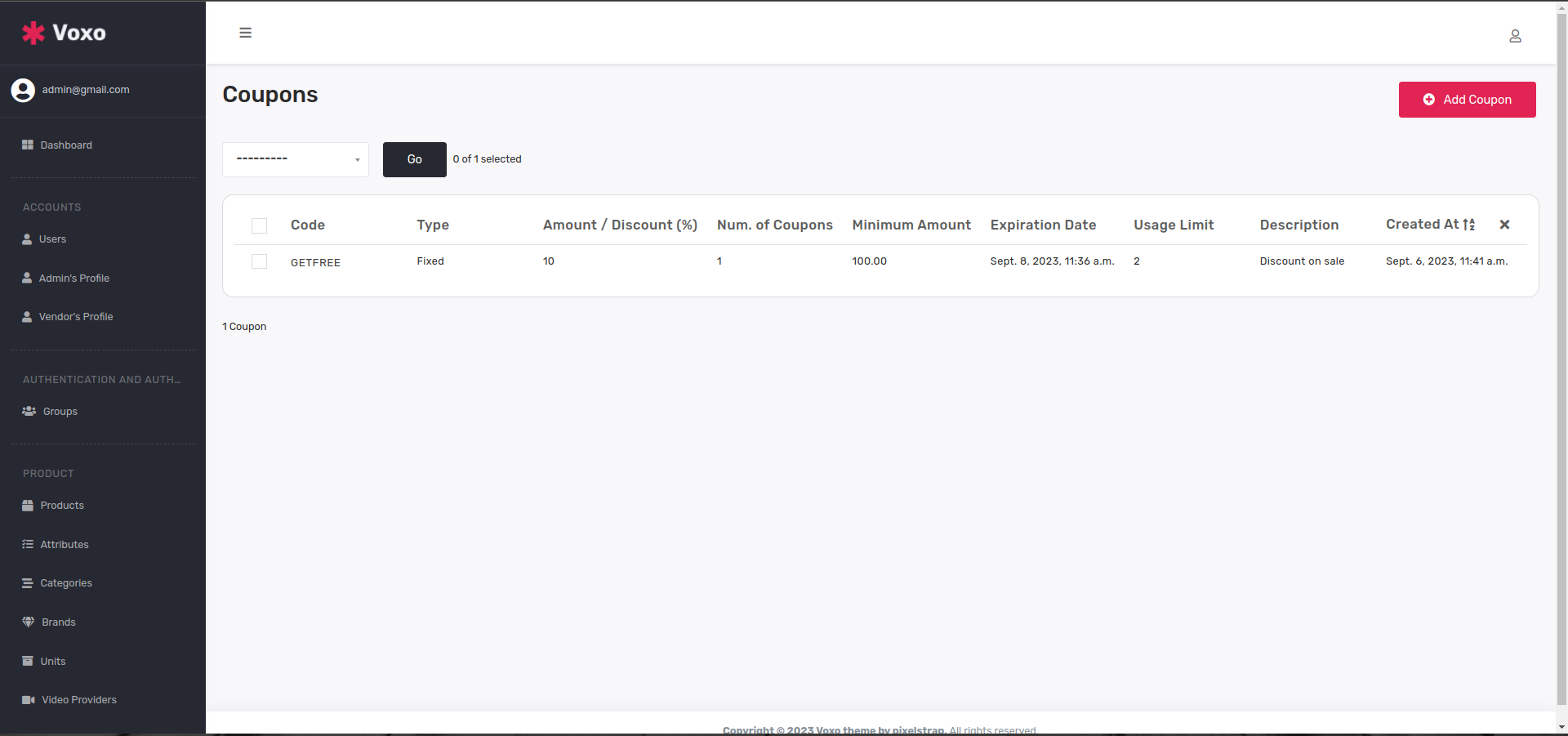
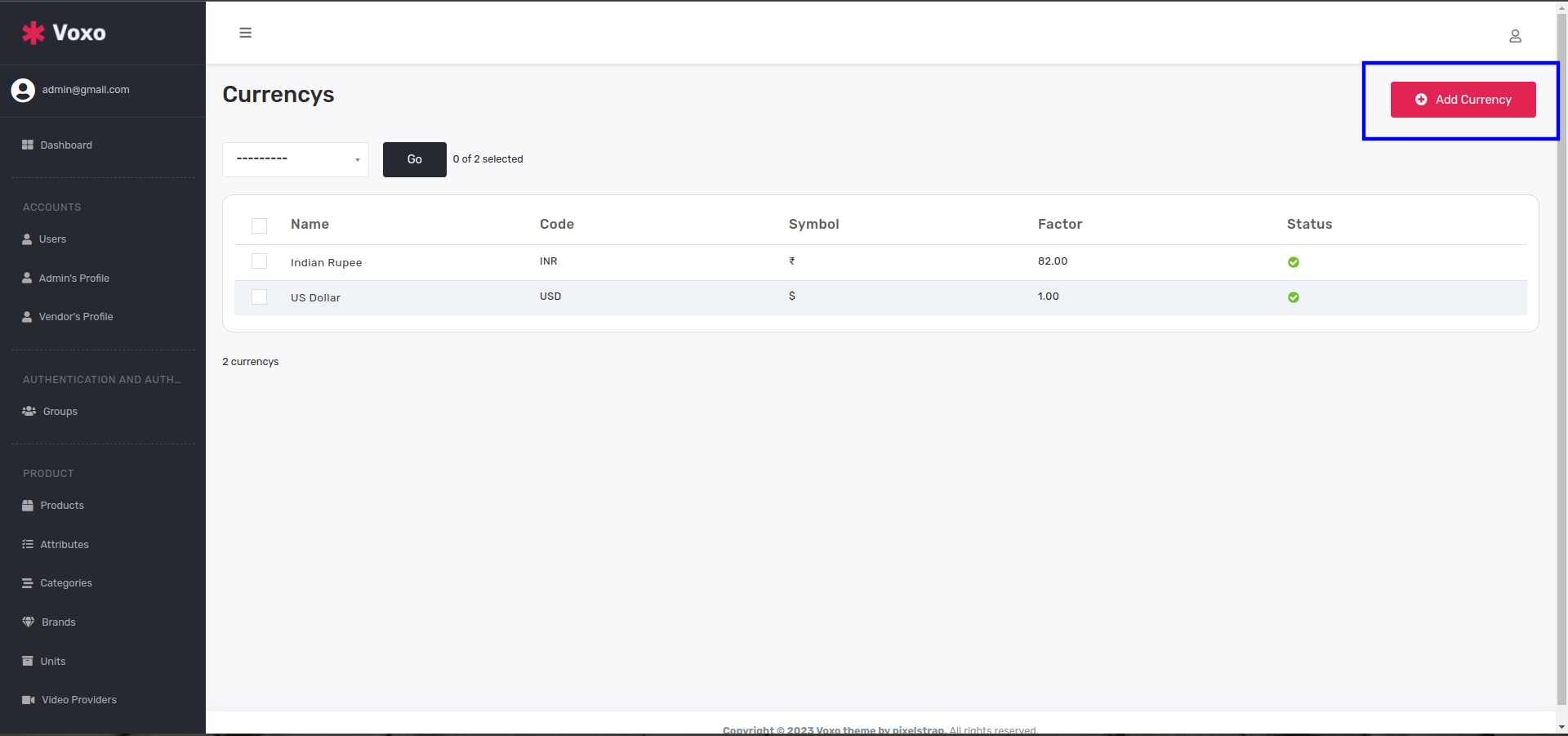
Info about all modules
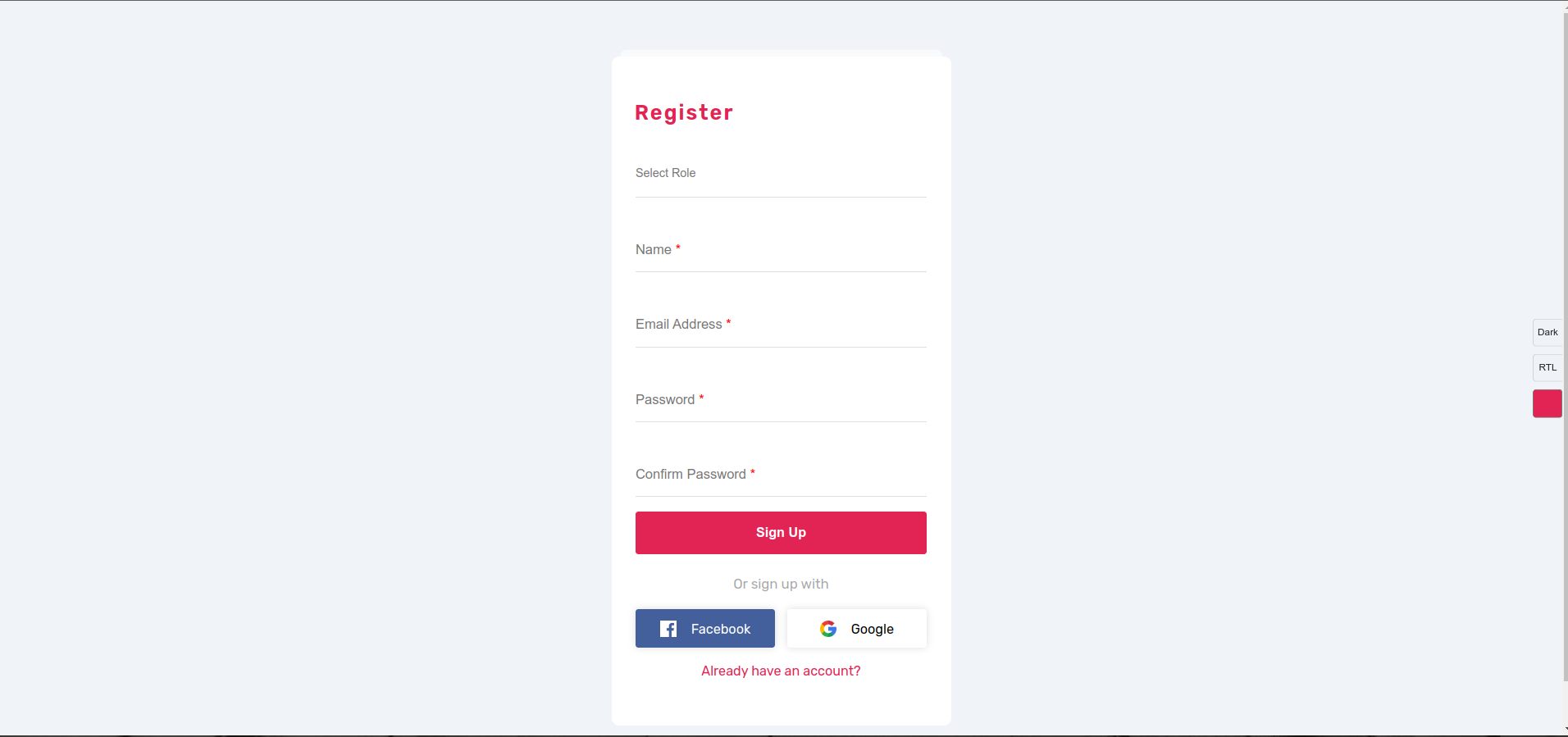
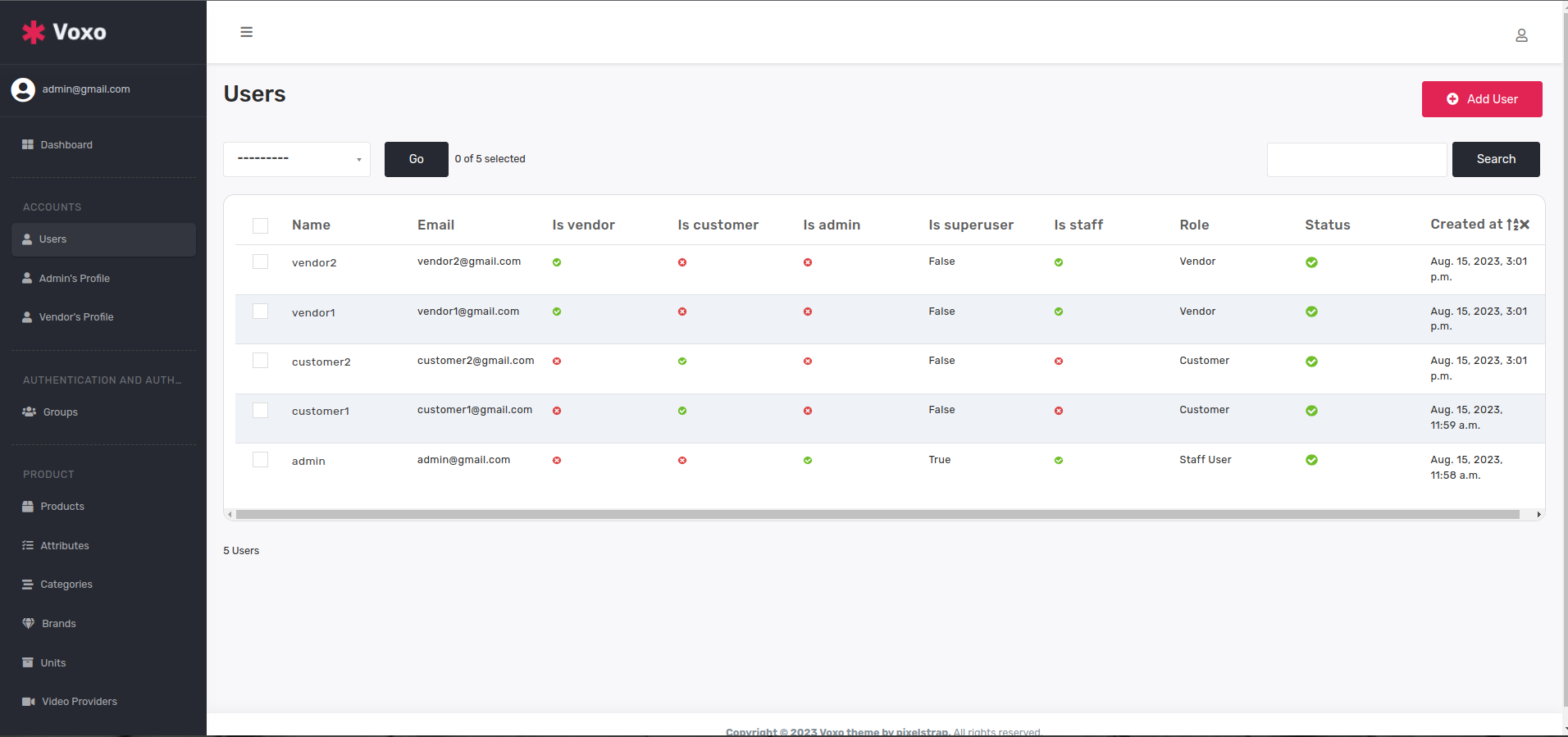
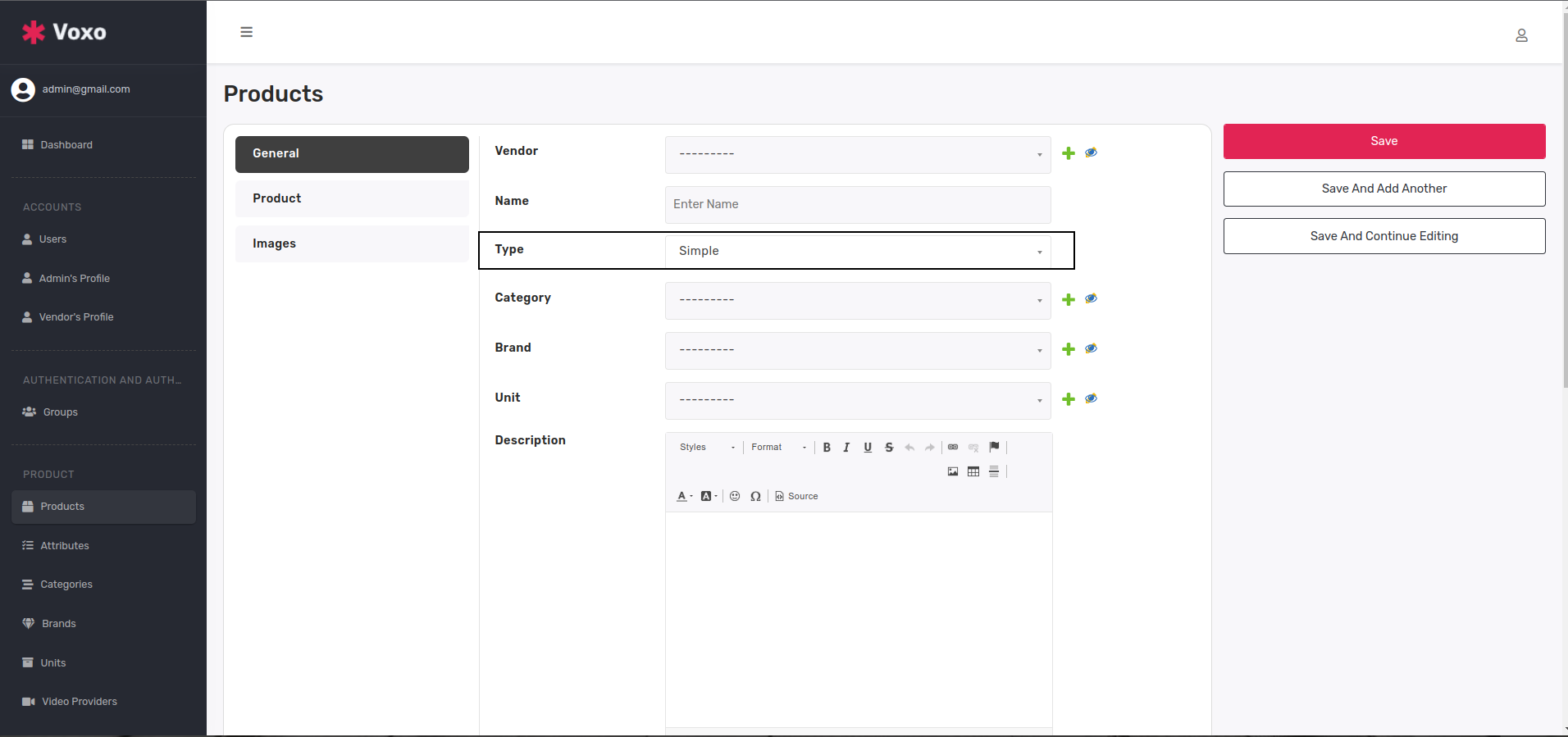
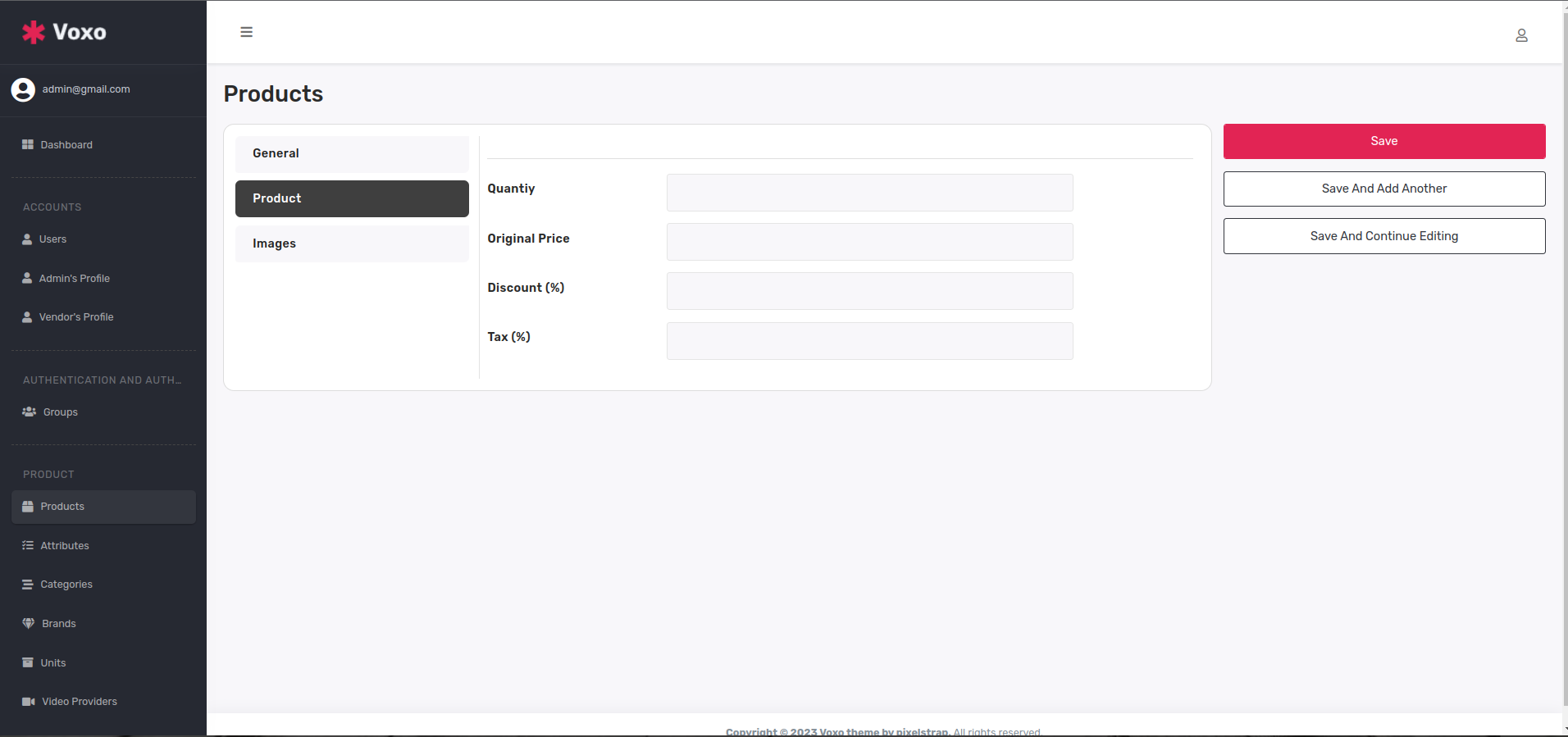
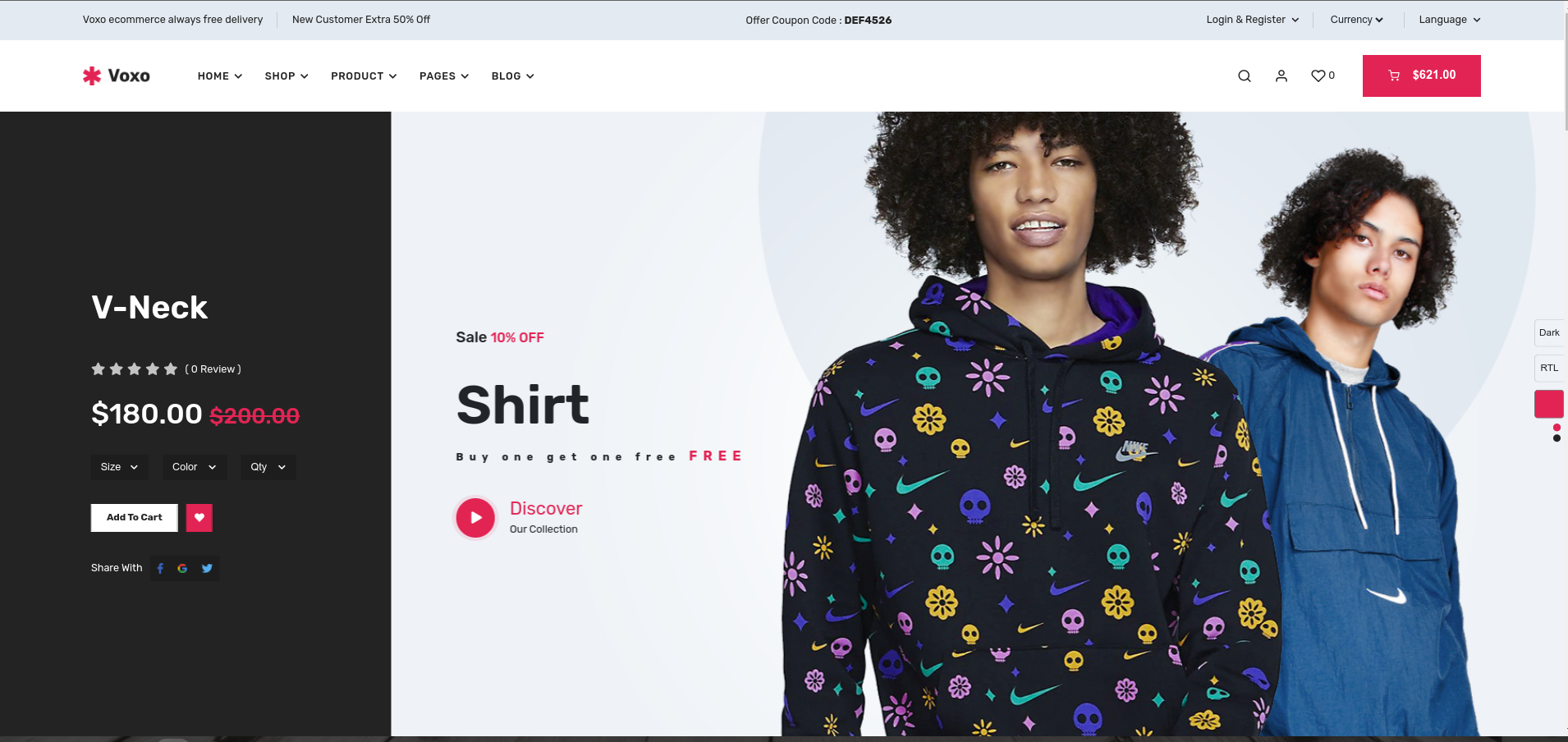
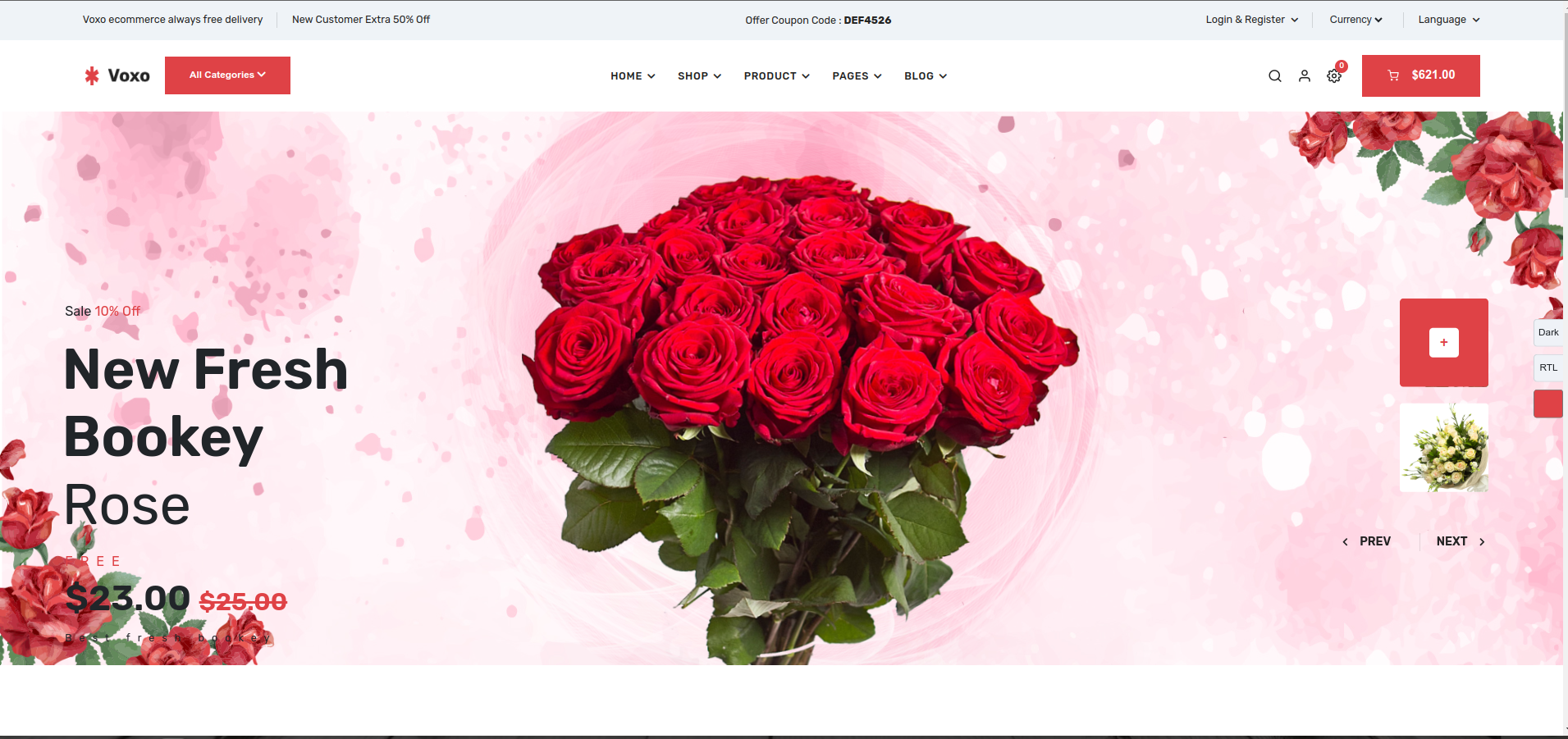
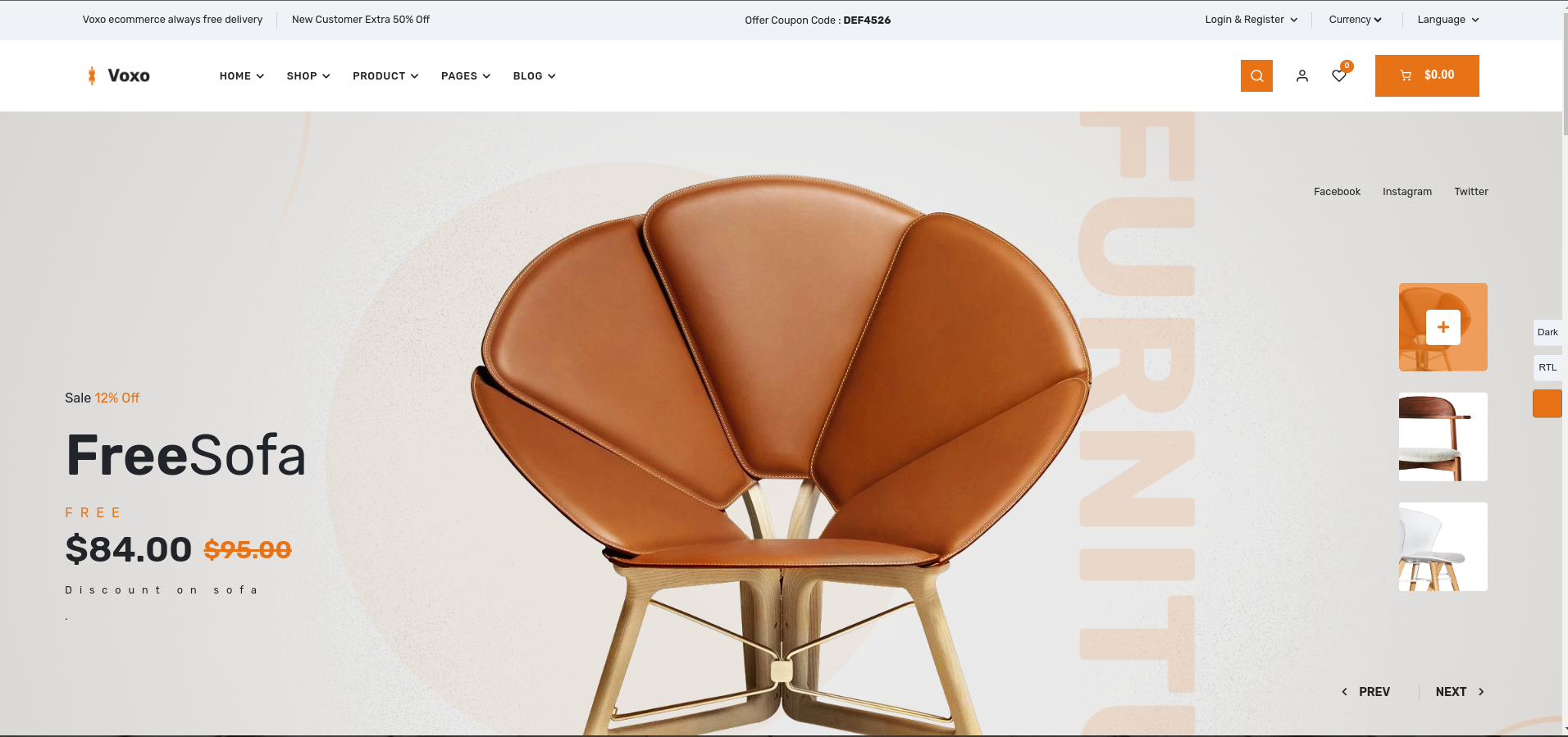
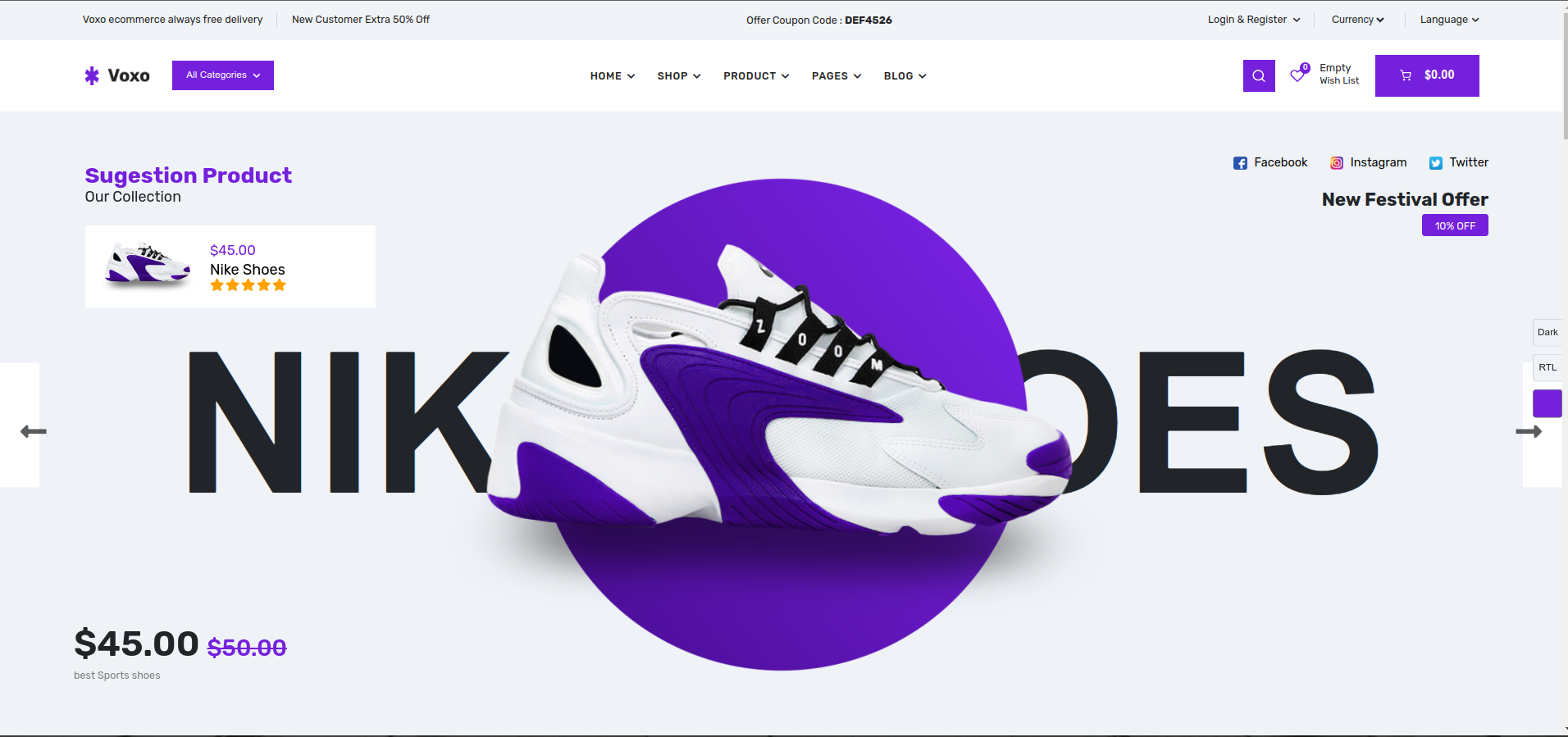
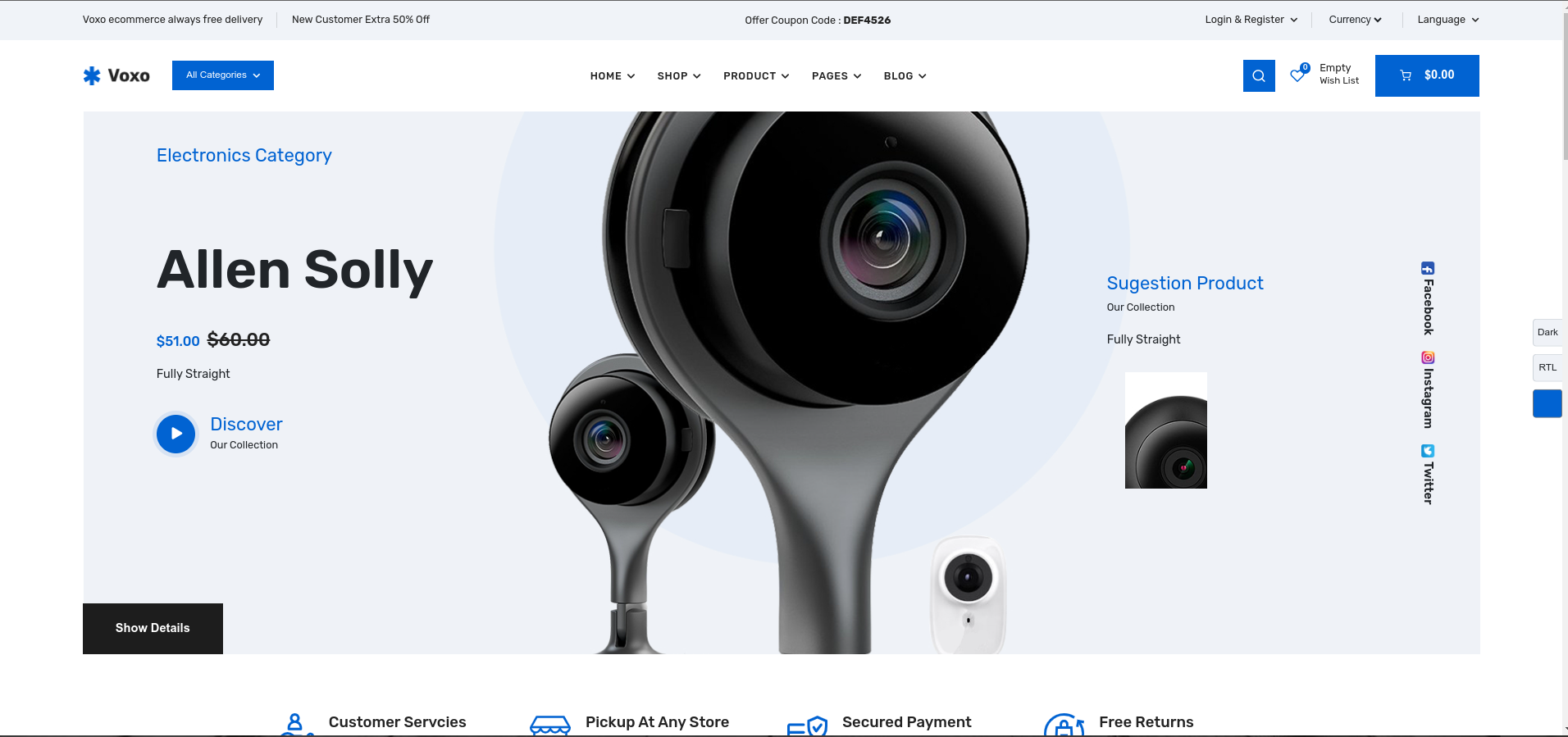
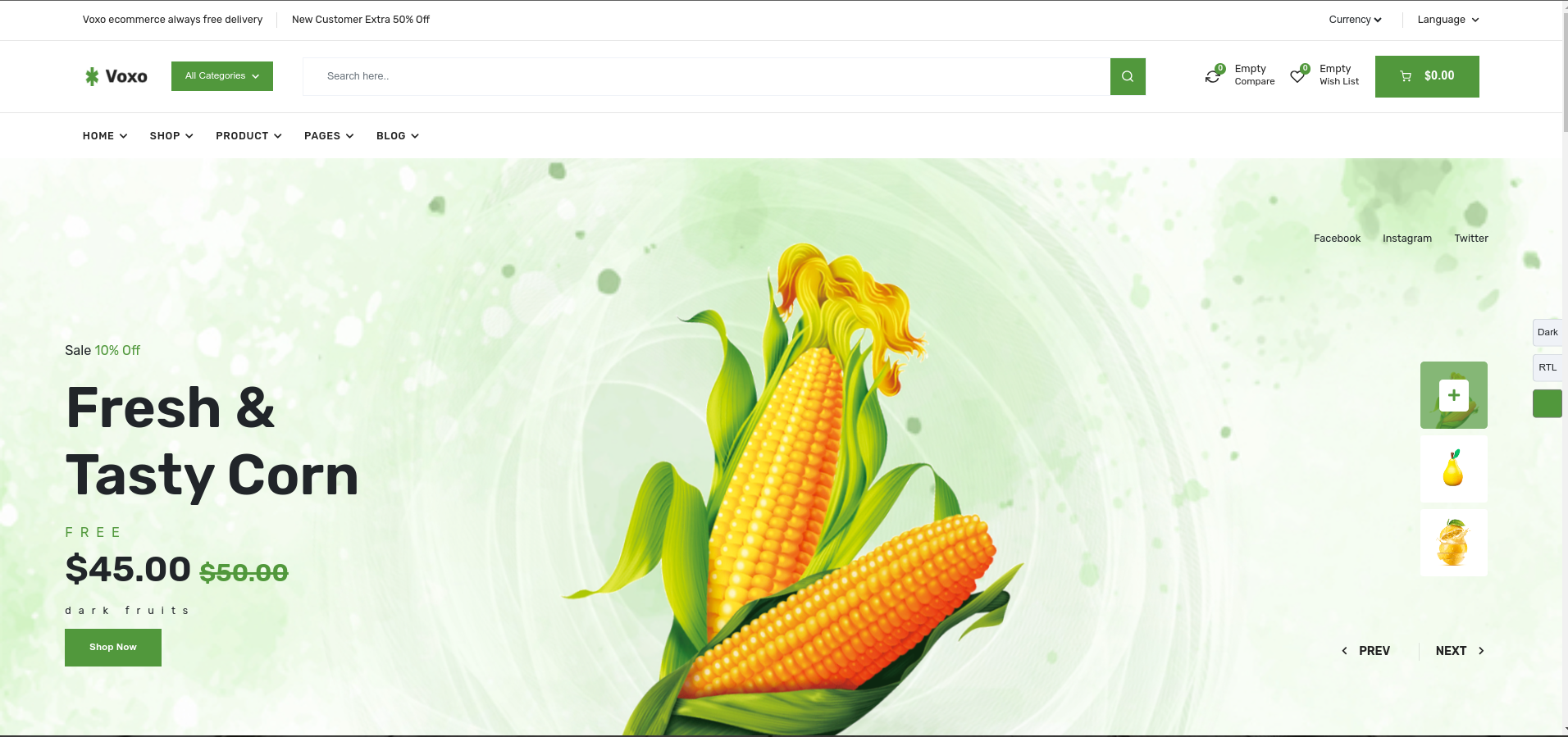
RTL button is for demo purpose only, following is the steps to remove that buttons:
Our theme won't be complete without these plugins.